 Skip to content















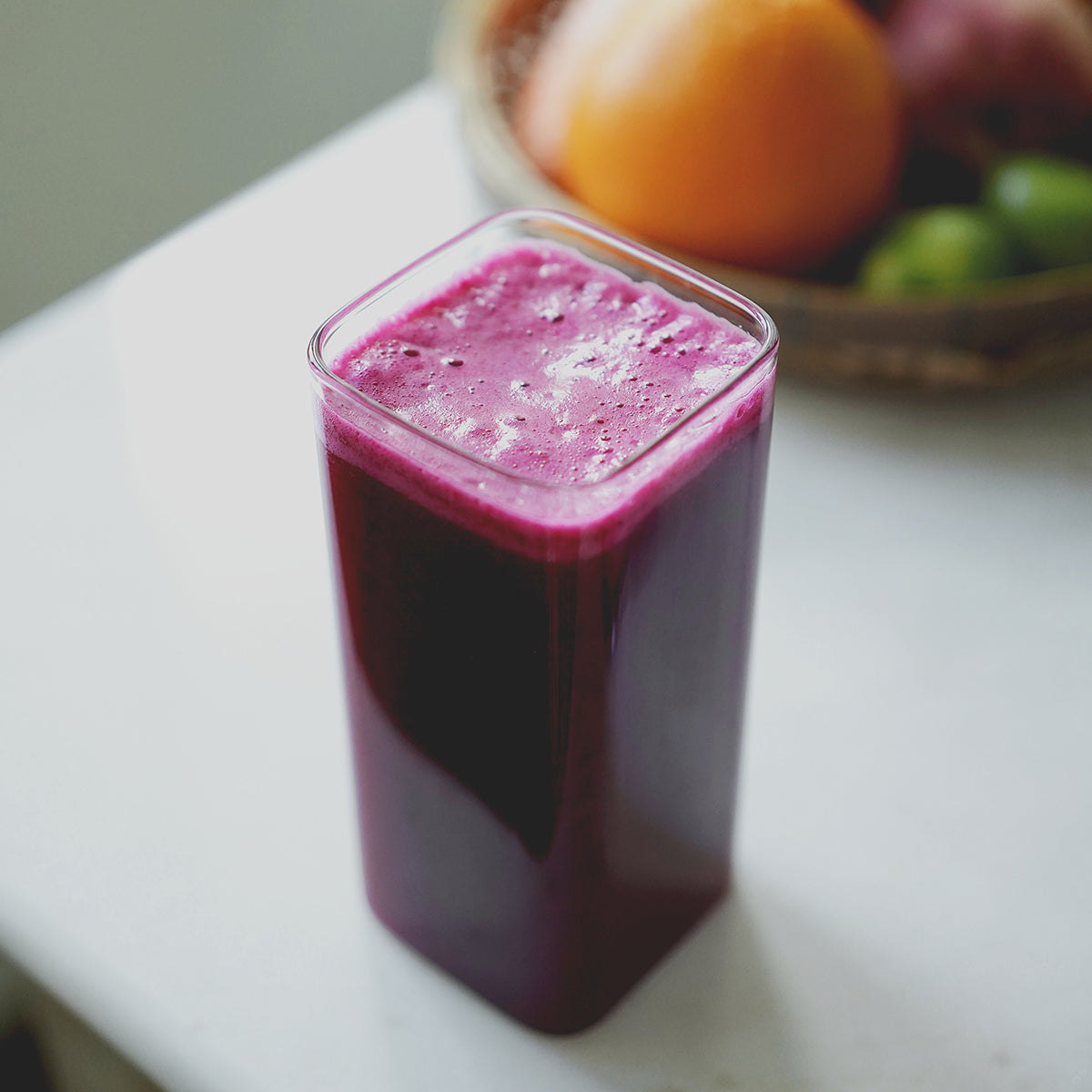














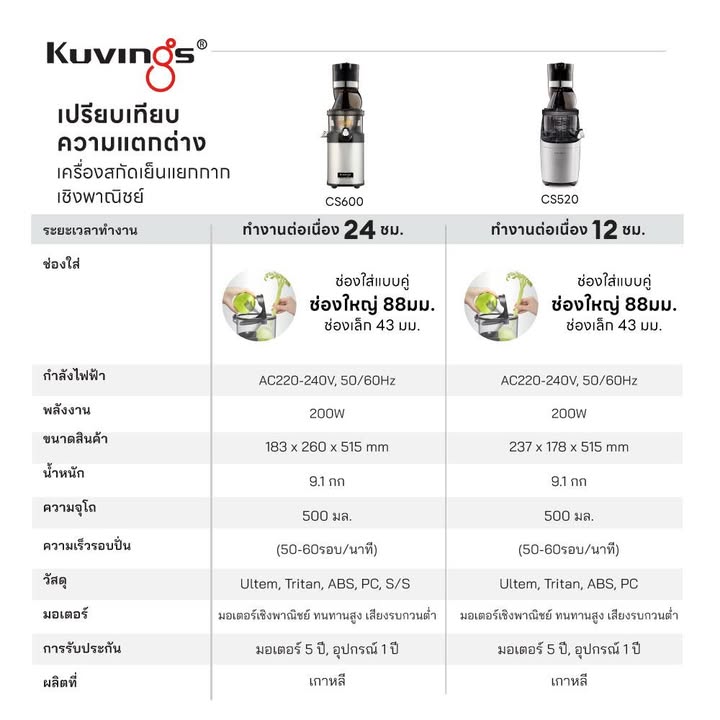







In today's rapidly changing world, paying attention to your diet is crucial for maintaining health and well-being. Essential nutrients are compounds that our bodies cannot produce on their own or cannot produce in sufficient quantities. Our bodies require various nutrients to perform numerous functions, including cell creation, energy production, and disease prevention. These nutrients are divided into major groups, and this image focuses on several important vitamins and minerals.

Group 1: Vitamins
Vitamins are organic substances required by our bodies in small amounts but essential for various biochemical processes.
-
Vitamin C
- Importance: A powerful antioxidant. It strengthens the immune system and helps prevent colds. It aids in collagen production, which is essential for healthy skin, gums, teeth, bones, and blood vessels. It also promotes iron absorption.
- Key Foods(Photo): Oranges, Lemons, Pineapples, Kiwis
- Additional Foods: Tomatoes, Bell peppers, Strawberries, Broccoli
-
Vitamin A
- Importance: Essential for maintaining vision, especially in low light. It helps maintain healthy skin, strengthens the immune system, and aids in the growth of various cells.
- Key Foods(Photo): Carrots, Mangoes, Papayas, Oranges (especially in the form of beta-carotene, which converts to vitamin A in the body)
- Additional Foods: Pumpkin, Sweet potatoes, Dark green leafy vegetables like spinach
-
Vitamin E
- Importance: A highly effective antioxidant. It helps prevent cell damage and maintain healthy skin, hair, and blood vessels. It is also important for the immune system and eye health.
- Key Foods(Photo): Spinach, Blackberries, Mango, Kiwi
- Additional Foods: Almonds, Sunflower seeds, Avocado, Some vegetable oils (e.g., sunflower oil)

Group 2: Minerals
Minerals are inorganic substances required in varying amounts for the body's diverse functions to operate smoothly.
-
Calcium
- Importance: An essential mineral for building strong bones and teeth, it also supports muscle function, blood clotting, nerve signal transmission, and hormone function.
- Key Foods(Photo): Kale, Celery, Figs, Oranges (small amounts)
- Additional Foods: Milk and dairy products, Yogurt, Small fish eaten whole with bones, Sesame seeds, Tofu
-
Iron
- Importance: A component of hemoglobin in red blood cells, it transports oxygen throughout the body. Essential for energy production and immune system function; iron deficiency can cause anemia.
- Key Foods(Photo): Spinach, Beets, Parsley, Kale
- Additional Foods: Red meat, Liver, Egg yolks, Various legumes, whole grain cereals
-
Zinc
- Importance: Plays a vital role in the immune system, cell growth, wound healing, and the function of over 300 enzymes. Also involved in taste and smell.
- Key Foods(Photo): Wheatgrass, Pomegranate, Ginger, Sunflower seeds
- Additional Foods: Meat, Oysters, Legumes, Pumpkin seeds, Dark chocolate
-
- Importance: Involved in over 300 biochemical reactions in the body, including muscle and nerve function, blood sugar regulation, blood pressure, protein and bone formation.
- Key Foods(Photo): Spinach, Cucumber, Banana, Avocado
- Additional Foods: Nuts (e.g., almonds, cashews), Whole grains, Dark chocolate
-
Copper
- Importance: Essential for red blood cell production, iron metabolism, nervous system and immune system function, and is a component of several antioxidant enzymes.
- Key Foods(Photo): Pineapple, Pomegranate, Grapes, Guava
- Additional Foods: Liver, Seafood, Nuts, Seeds, Mushrooms


