

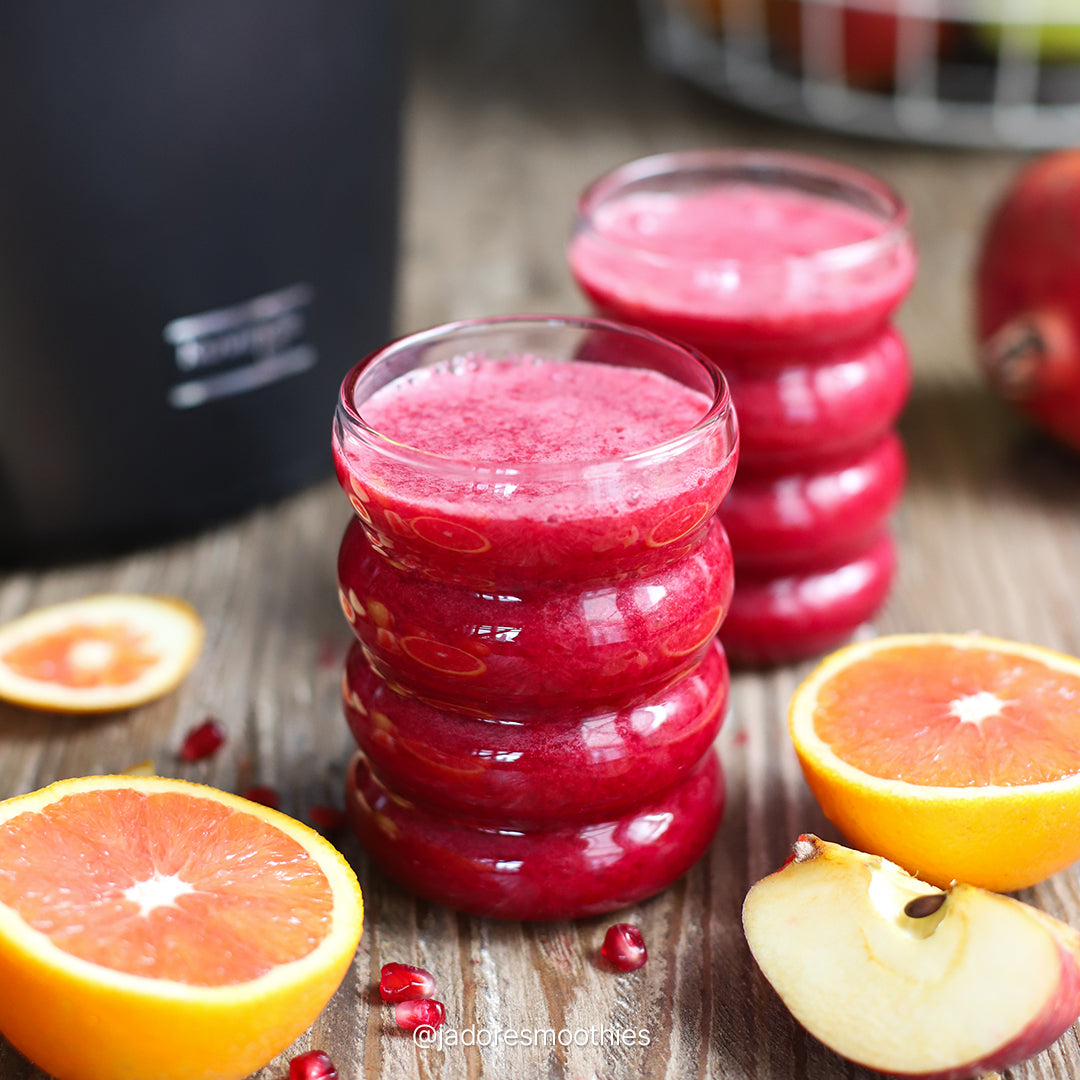












Green juice, lemon-and-ginger drinks, and colorful cold-pressed juices are often grouped together under the label “detox juice.” They are commonly promoted as a way to flush out toxins, cleanse the digestive system, or reset the body in just a few days.
But how much scientific evidence supports the idea of “detoxing” in this sense? And if vegetable and fruit juices do not remove toxins as advertised, can they still be beneficial?
The short answer is that detox juice exists as a name for a type of drink or dietary program. However, there is currently not enough high-quality evidence to confirm that any particular vegetable or fruit juice can remove toxins from the body of an otherwise healthy person.
That does not mean vegetable and fruit juices have no value. It simply means we should consider them according to their actual nutritional qualities rather than expect them to replace the body’s natural processes or medical treatment.
What Is Detox Juice?
“Detox juice” has no fixed nutritional definition or standard recipe. Some versions are simply water infused with lemon, cucumber, or herbs, while others are concentrated cold-pressed vegetable and fruit juices.
The word detox comes from detoxification. In medicine, detoxification refers to the removal or management of harmful substances in specific situations, such as treating poisoning or heavy-metal exposure under medical supervision.
Commercial “detox programs,” on the other hand, may involve:
-
Drinking only vegetable and fruit juices for several days
-
Fasting or severely restricting calorie intake
-
Drinking herbal beverages or teas
-
Using supplements or laxatives
-
Eating only certain types of food
-
Colon cleansing
These approaches should not be considered equivalent to medical detoxification. Their purposes, methods, and supporting evidence are very different.
How Does the Body Remove Waste?
The human body has systems that continuously process and eliminate waste, with several organs working together.
The liver processes nutrients, medications, alcohol, and other substances that enter the body. It converts them into forms the body can use or eliminate.
The kidneys filter the blood, remove waste and excess water through urine, and help maintain the balance of water, salts, and minerals in the bloodstream, according to the U.S. National Institute of Diabetes and Digestive and Kidney Diseases.
The lungs, digestive system, and skin also perform their own roles in the body’s normal waste-management processes.
In a person whose organs are functioning normally, the body does not need to wait for a particular juice recipe to begin removing waste.
If the liver or kidneys are not functioning properly, the appropriate response is medical evaluation and treatment—not using detox juice as a substitute for professional care.
Can Detox Juice Really Flush Toxins From the Body?
There is currently not enough reliable evidence to show that detox programs or vegetable and fruit juices can remove unspecified “toxins” from the body.
Detox claims often fail to answer several important questions:
-
What specific toxin is being discussed?
-
How was that toxin detected in the body?
-
Through what mechanism would the drink remove it?
-
Were laboratory measurements taken before and after the program?
-
Were the results different from simply drinking water and following a balanced diet?
The U.S. National Center for Complementary and Integrative Health, or NCCIH, notes that only a small number of human studies have examined detox programs. Many of those studies have significant limitations, such as small sample sizes, weak study designs, or a lack of peer review. There is also insufficient information about the long-term effects of detox programs (NCCIH).
The most straightforward conclusion is this:
Vegetable and fruit juices can be part of a varied diet, but they should not be claimed to flush toxins, treat disease, or restore organ function without supporting evidence.
Why Do Some People Feel Lighter or Lose Weight During a Juice Cleanse?
Feeling lighter or losing weight during a juice cleanse does not prove that toxins have been removed from the body.
Several other explanations are possible.
Lower calorie intake
When someone replaces normal meals with vegetable and fruit juices, their calorie intake may fall substantially. This can lead to short-term weight loss.
Lower sodium intake
Reducing processed and salty foods may cause the body to retain less water. Some of the weight lost may therefore be water rather than body fat.
Avoiding alcohol and highly processed foods
Temporarily stopping these habits may help some people feel better. However, the benefit comes from what has been removed from the diet, not proof that the juice itself is flushing out toxins.
Drinking more fluids
People who usually drink too little water may feel more refreshed when their fluid intake increases.
NCCIH notes that some juicing and detox diets may cause initial weight loss because they provide very few calories. However, the weight often returns after a person resumes their usual diet.
Are Vegetable and Fruit Juices Beneficial?
Vegetable and fruit juices can still provide nutritional value when consumed appropriately and not used to replace all food.
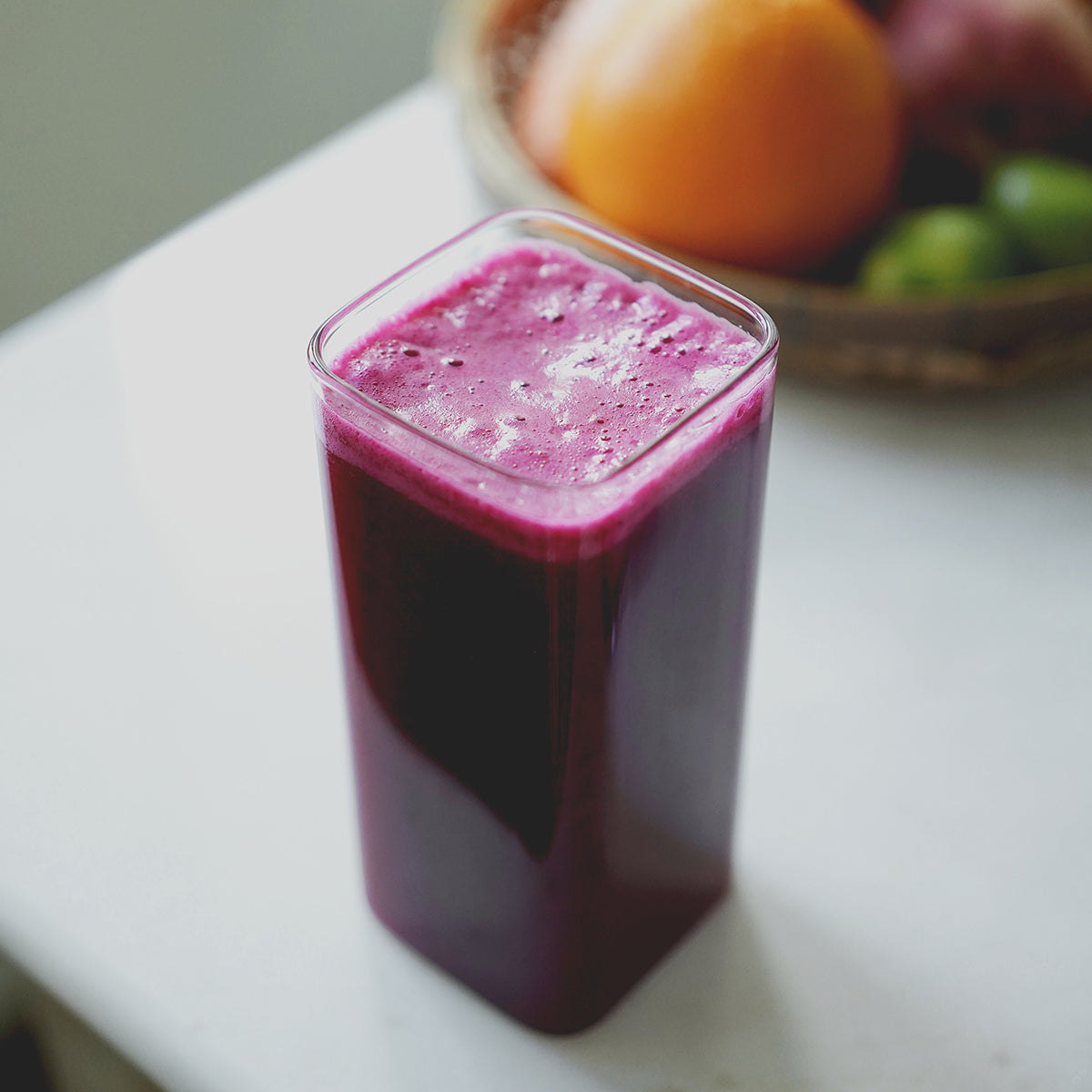
Their nutritional profile depends on the ingredients. For example, carrot juice contains carotenoids, citrus fruits provide vitamin C, and tomatoes contain lycopene along with other nutrients.
Vegetable and fruit juice can also add variety to the diet and may be an alternative for people trying to reduce their intake of soft drinks or beverages with large amounts of added sugar.
However, juicing separates much of the fiber into the pulp. Juice therefore cannot fully replace whole vegetables and fruits, which provide fiber and generally promote fullness for longer.
Is Cold-Pressed Juice Better Than Regular Juice?
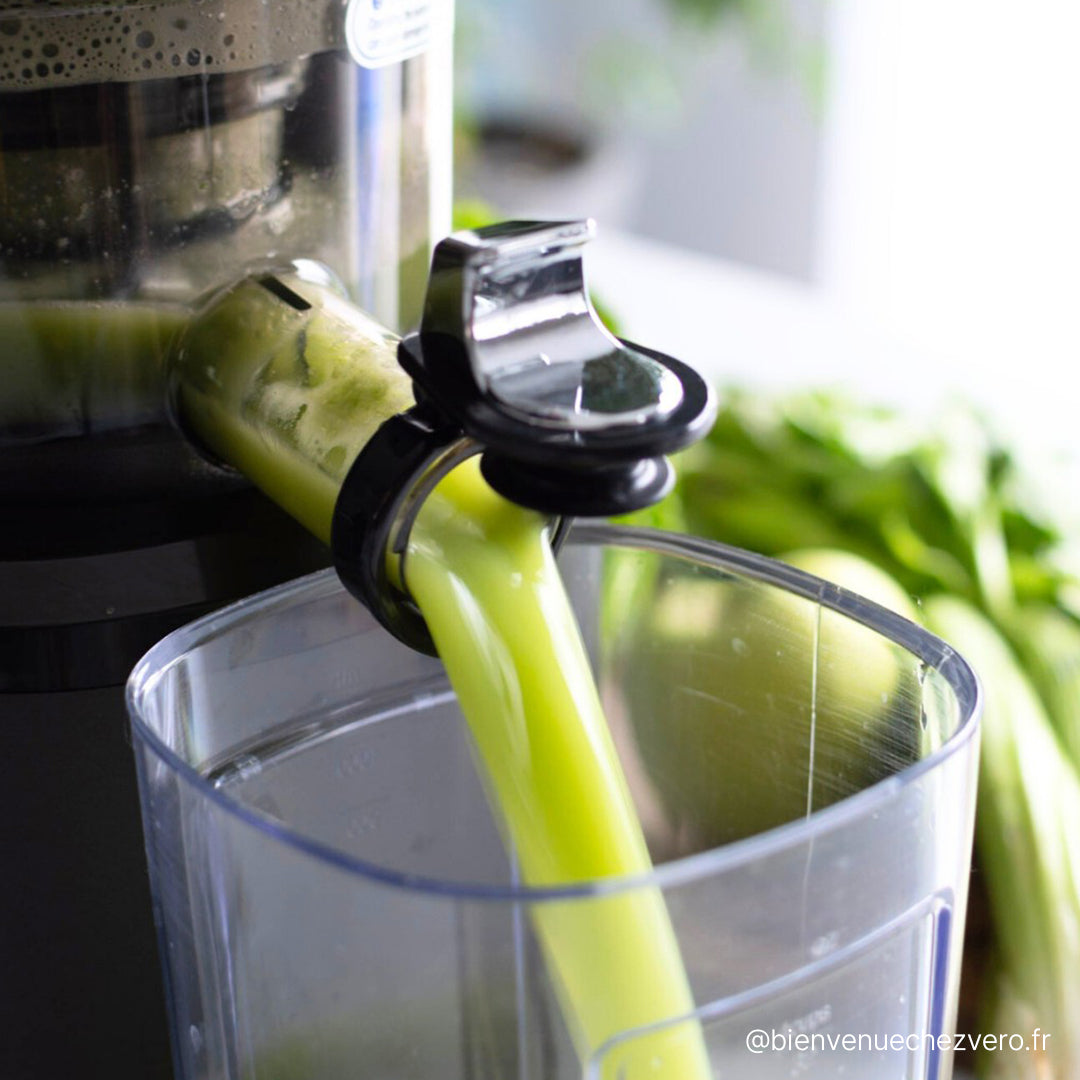
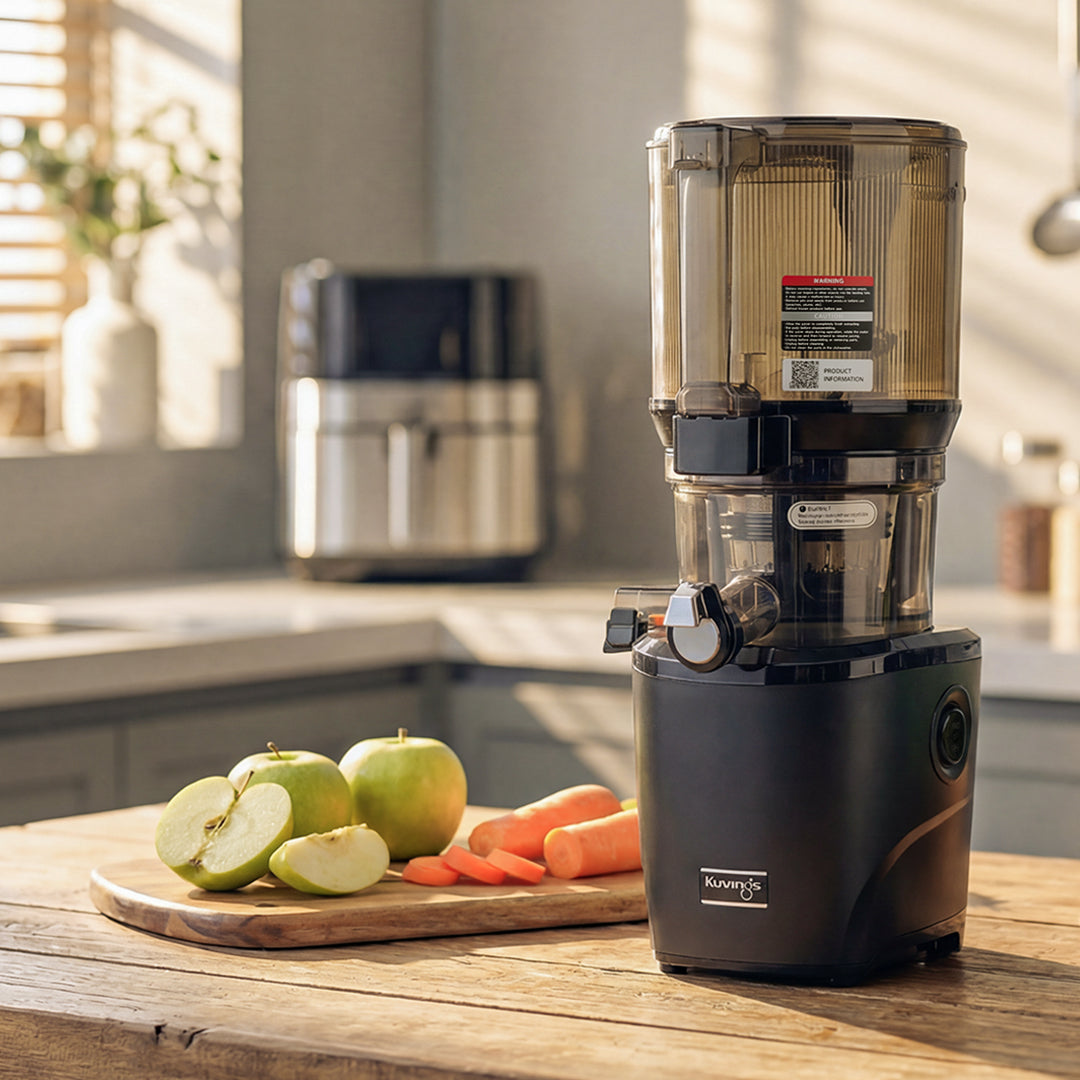
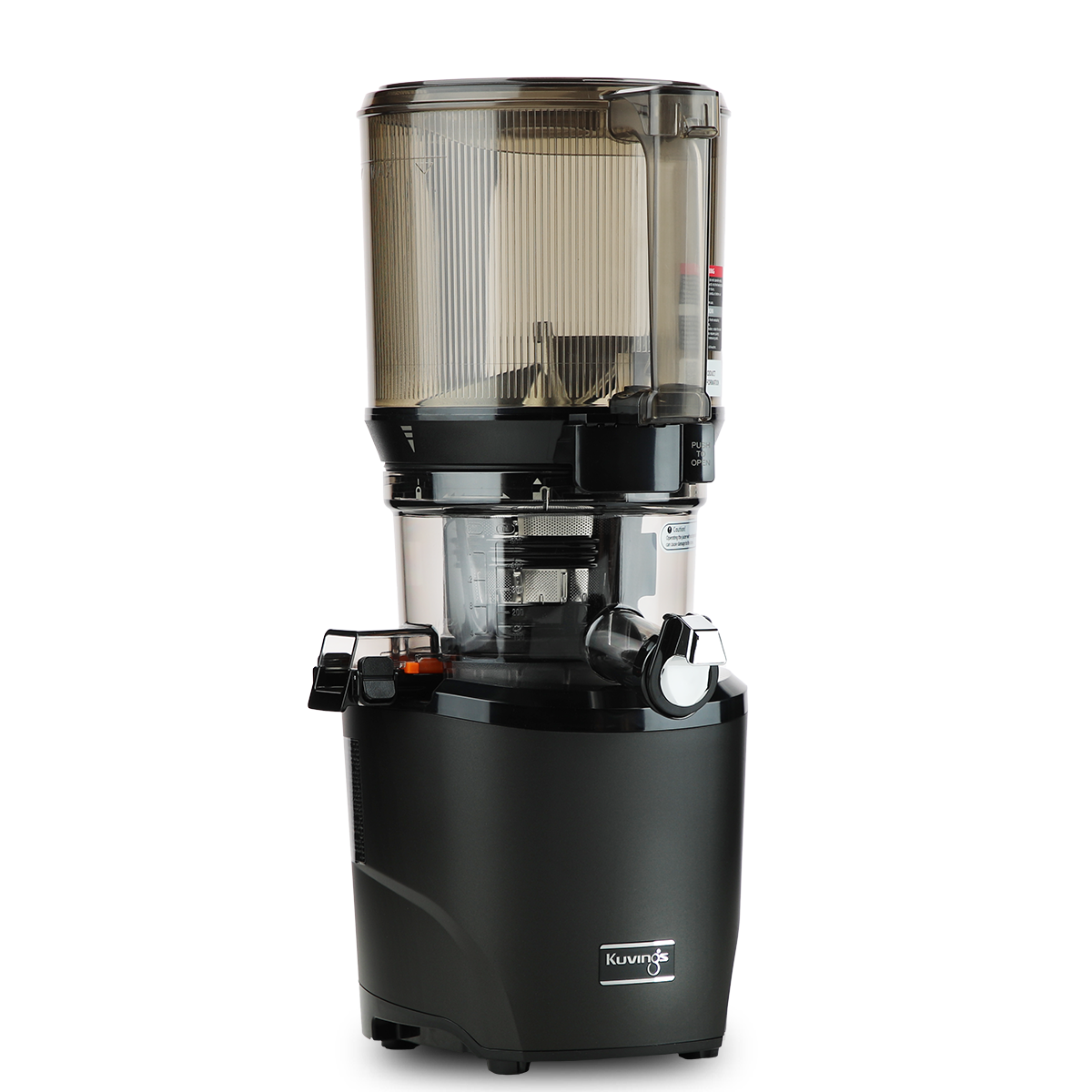
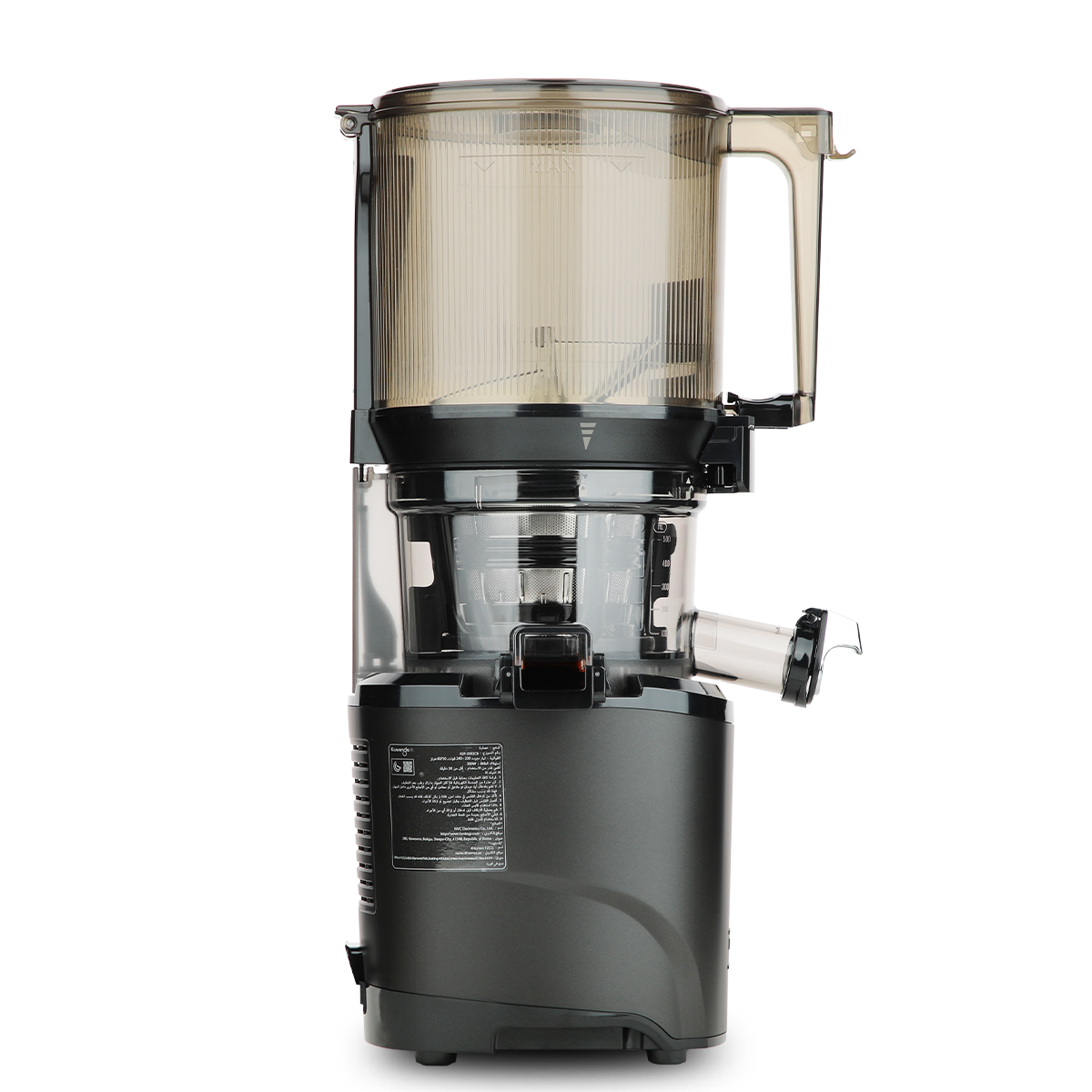
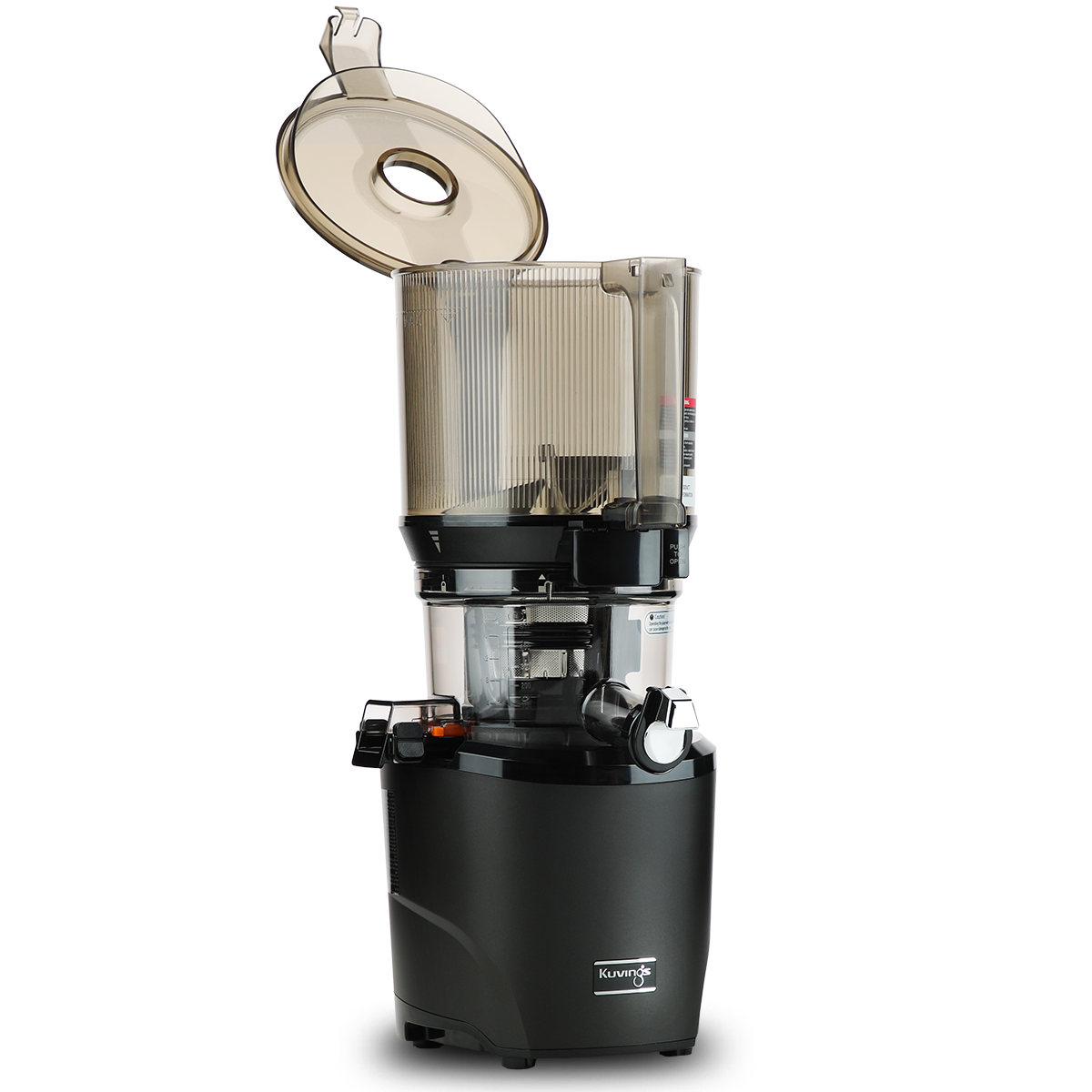
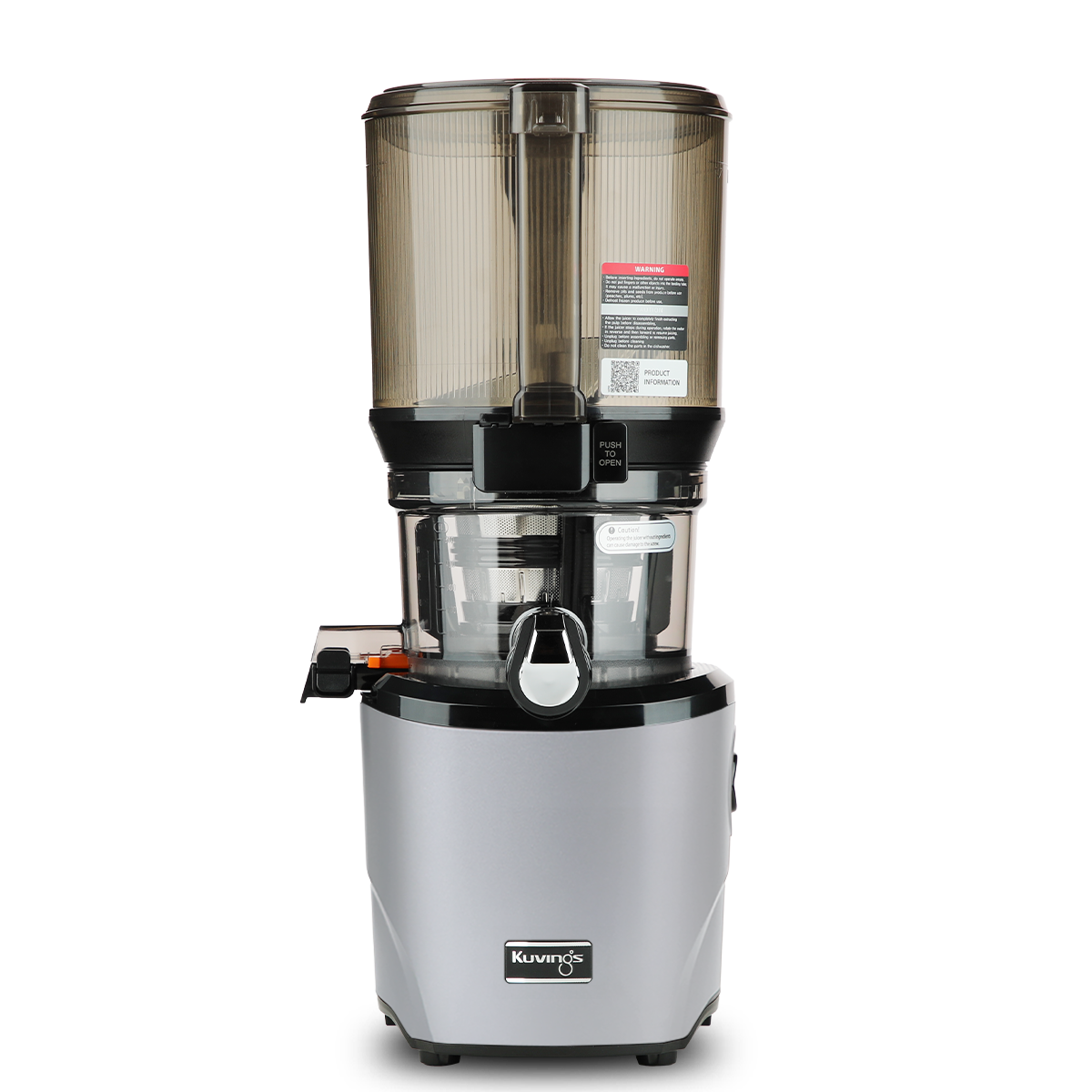
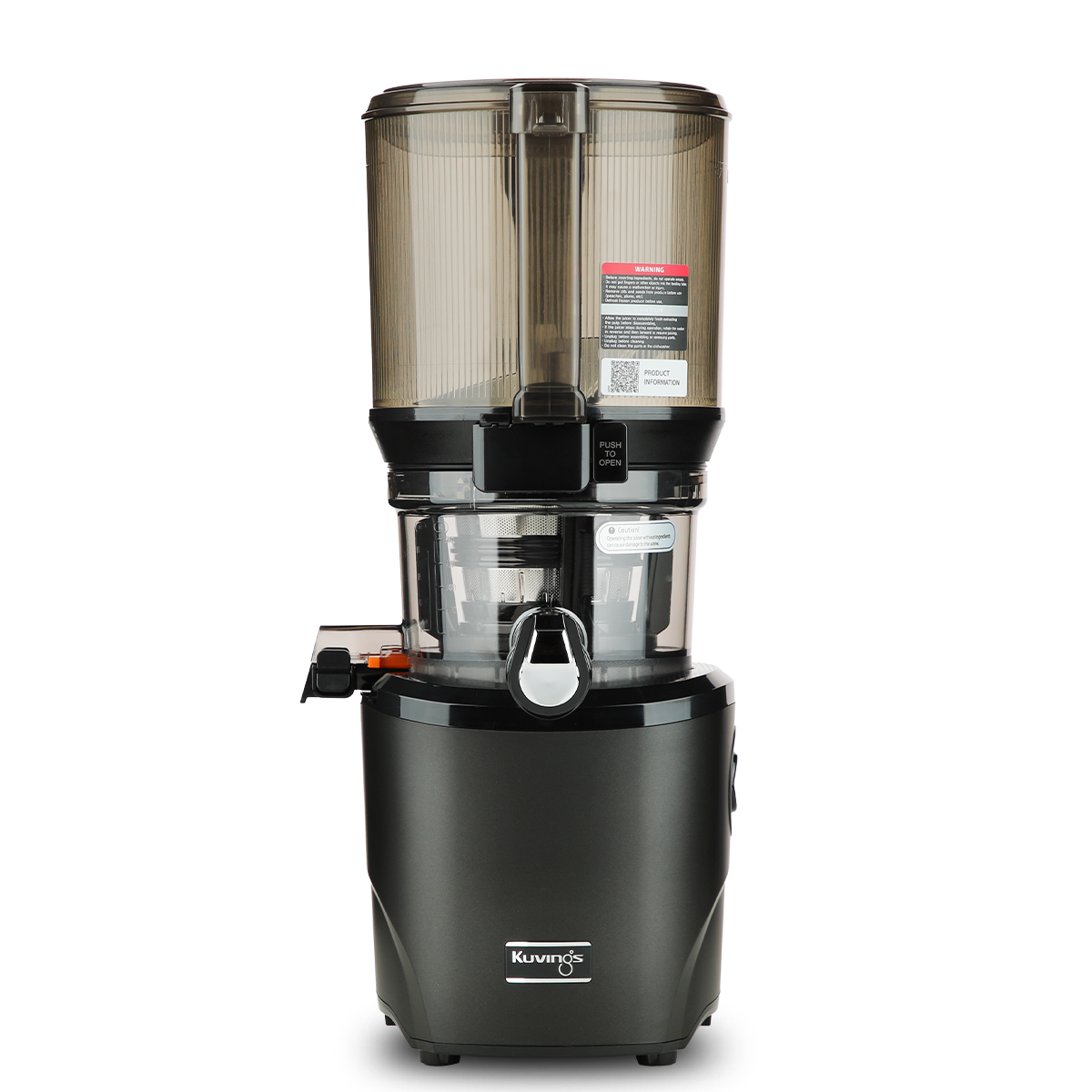
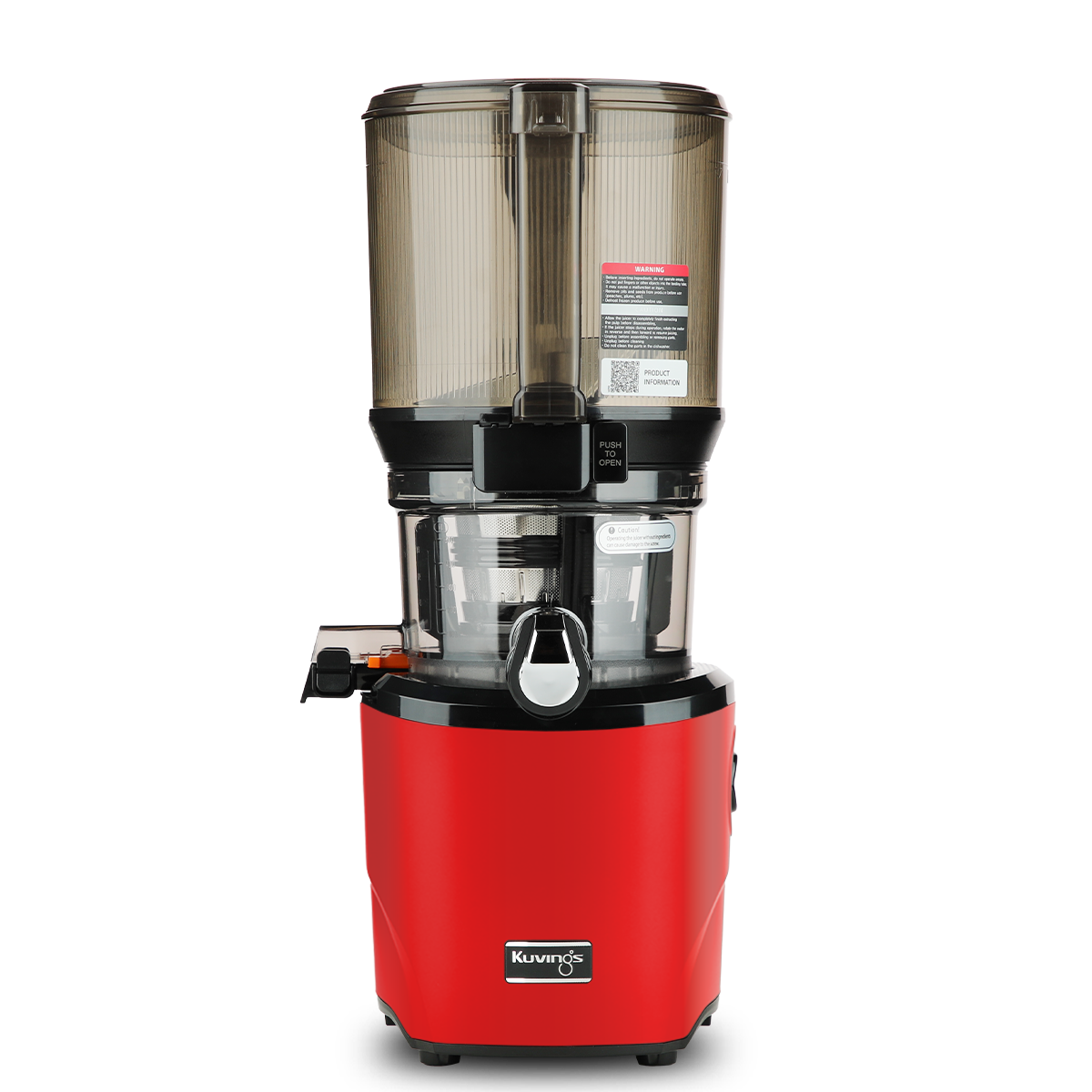
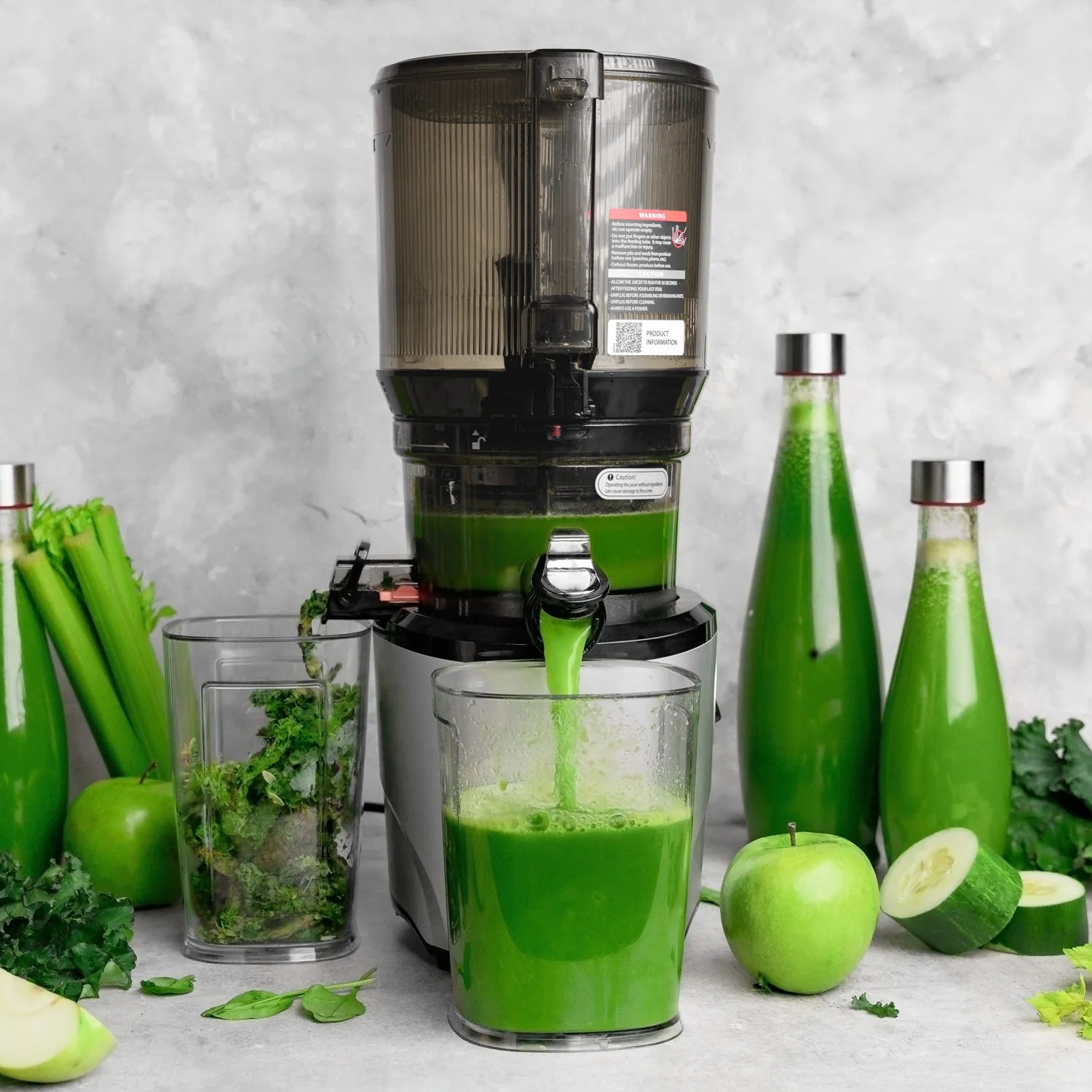
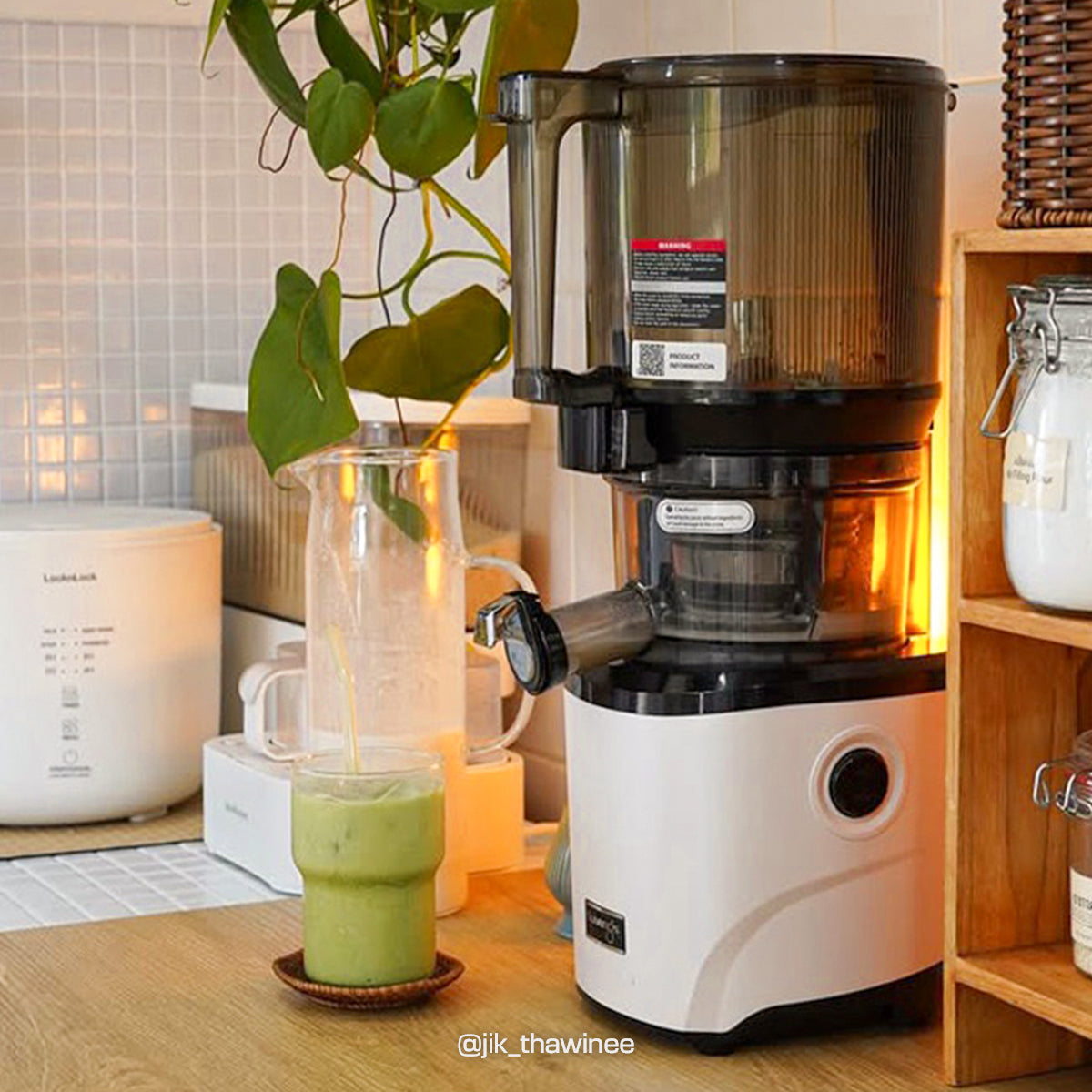
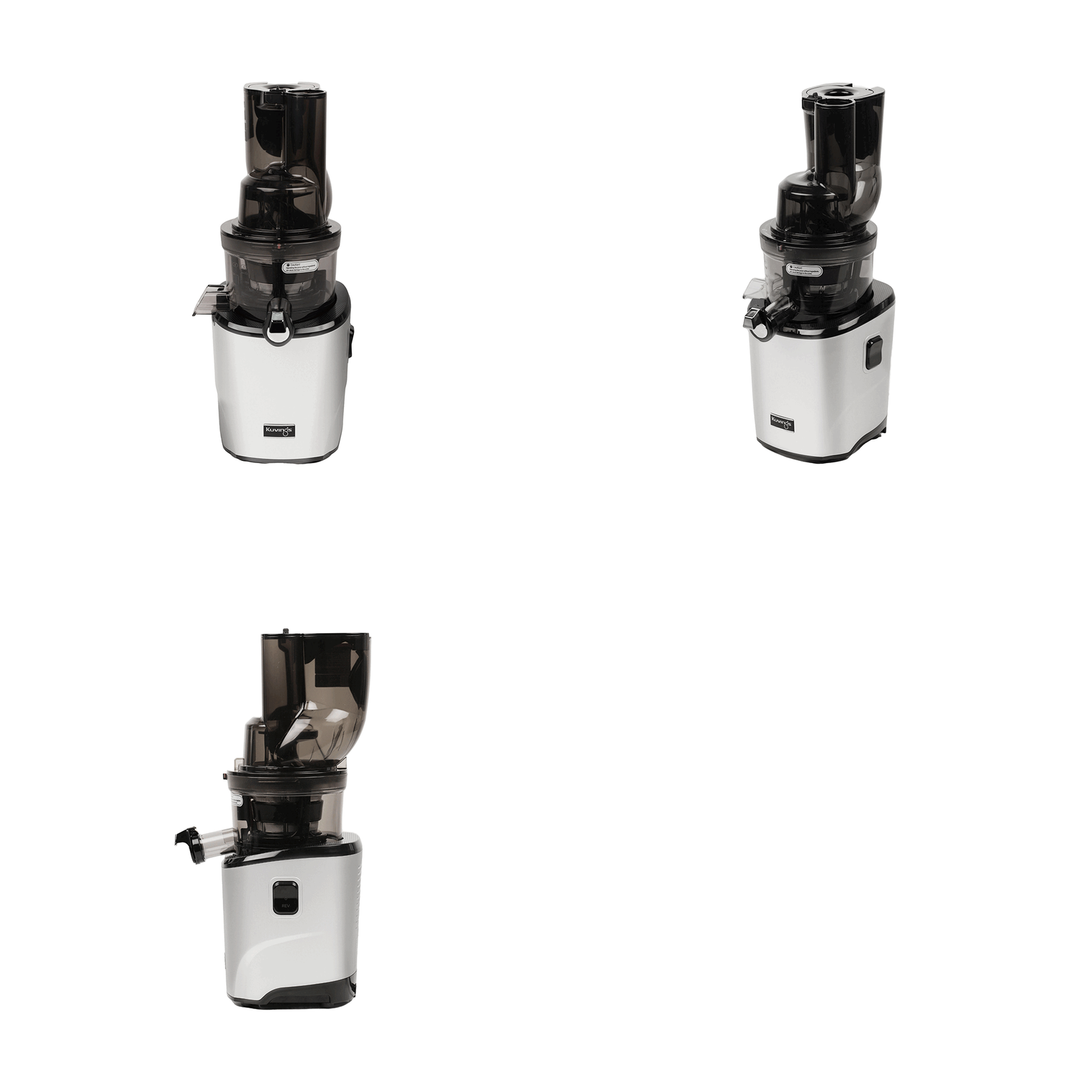
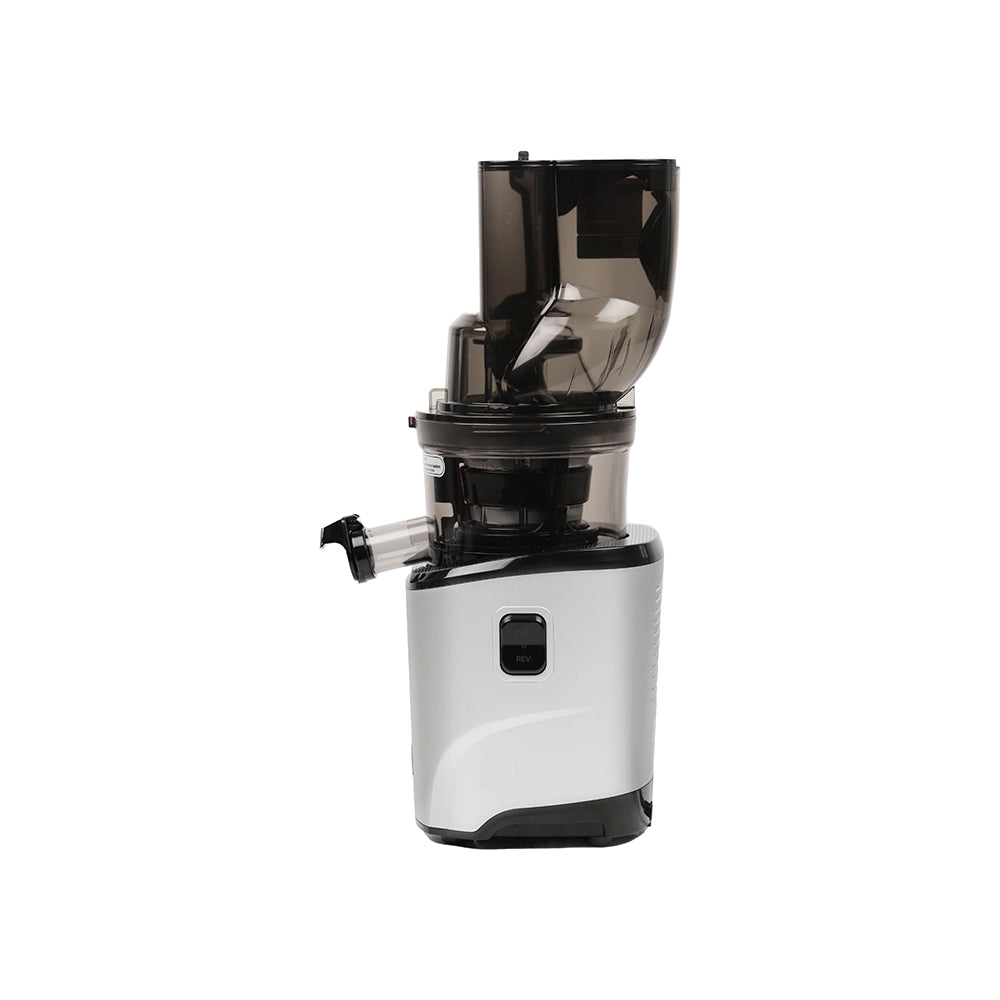
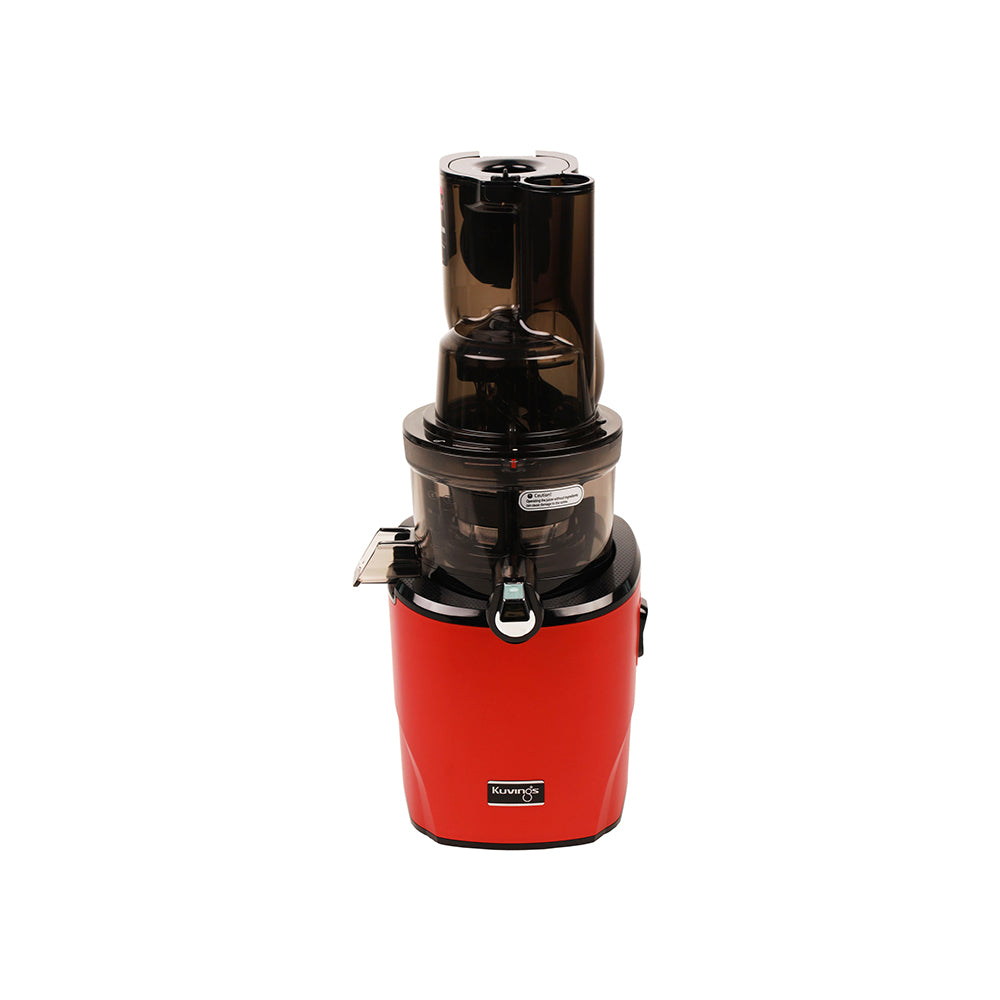
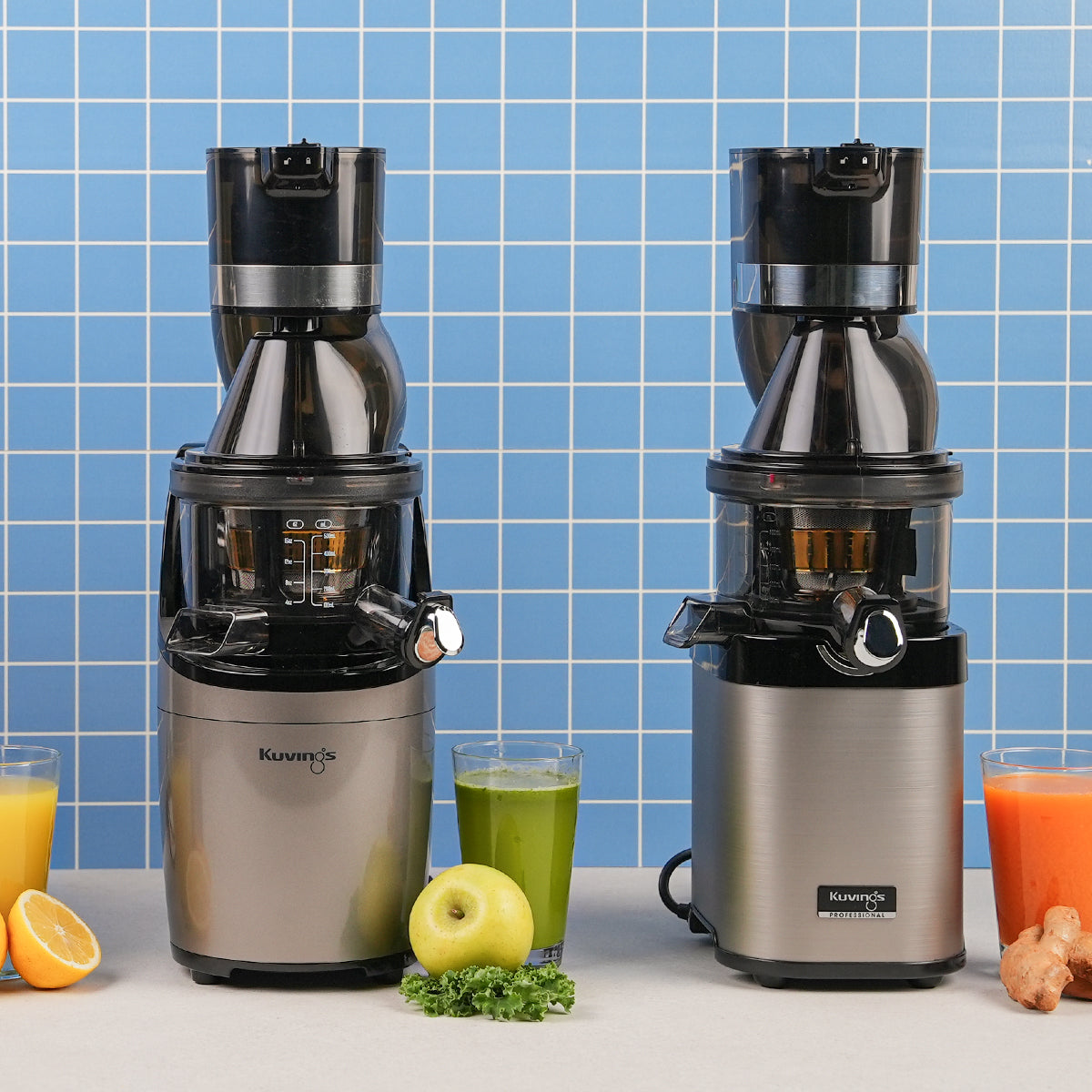
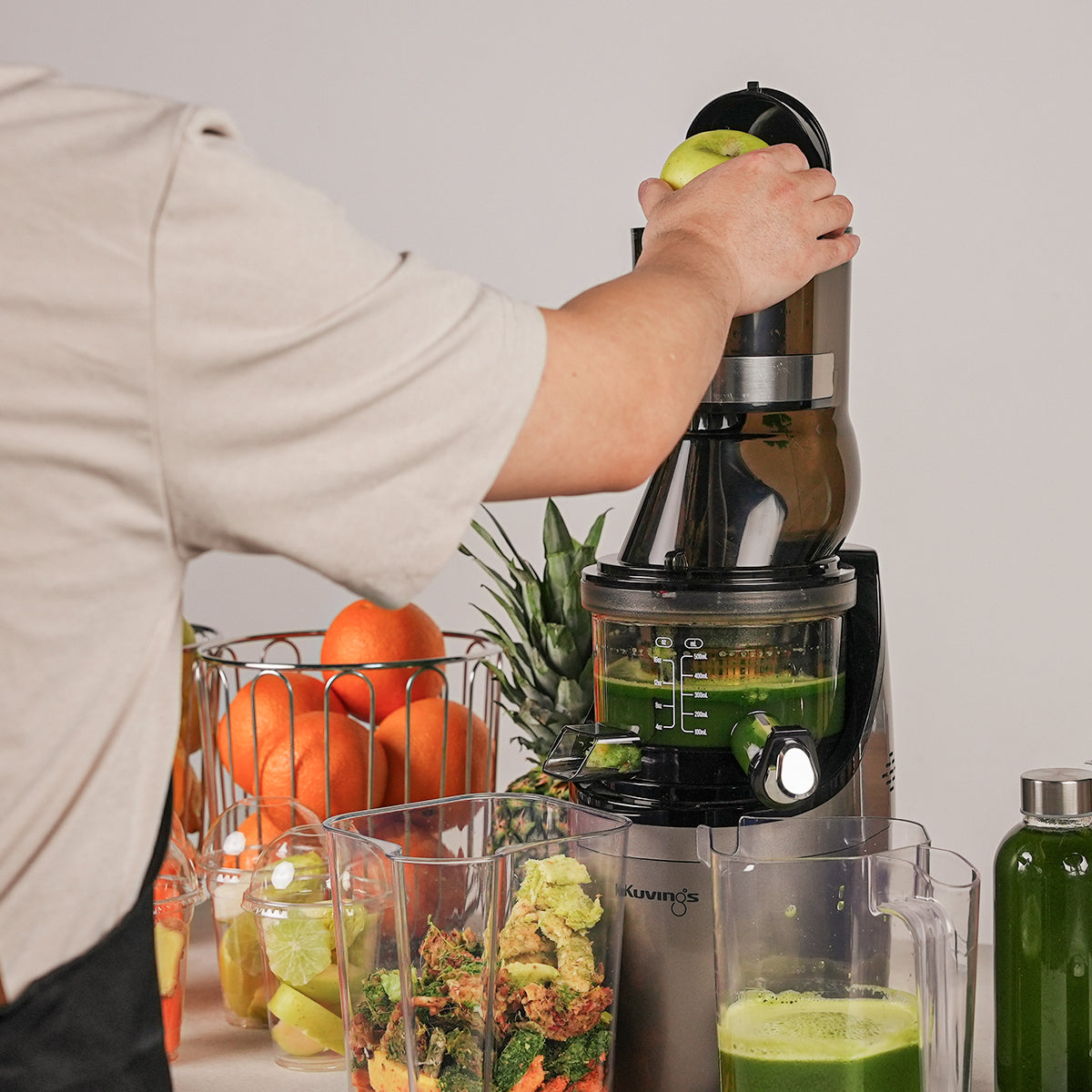
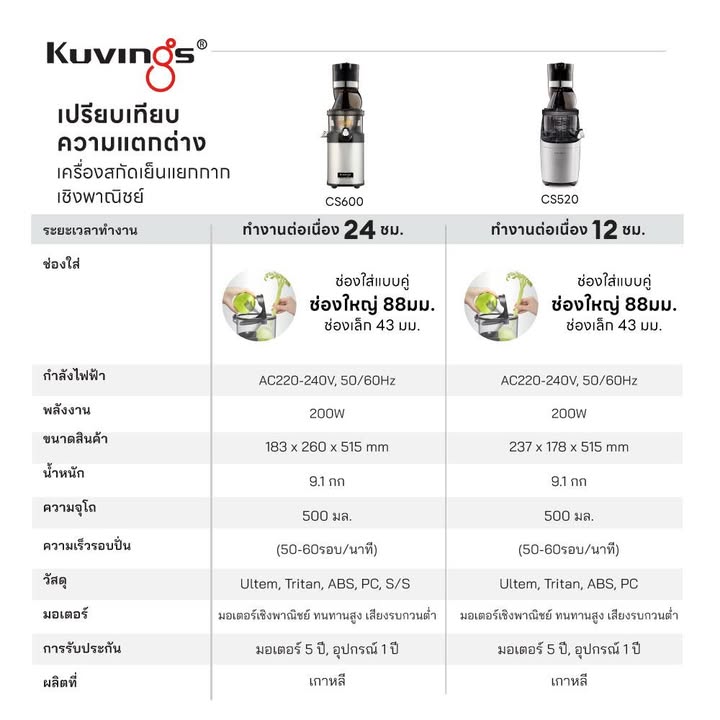
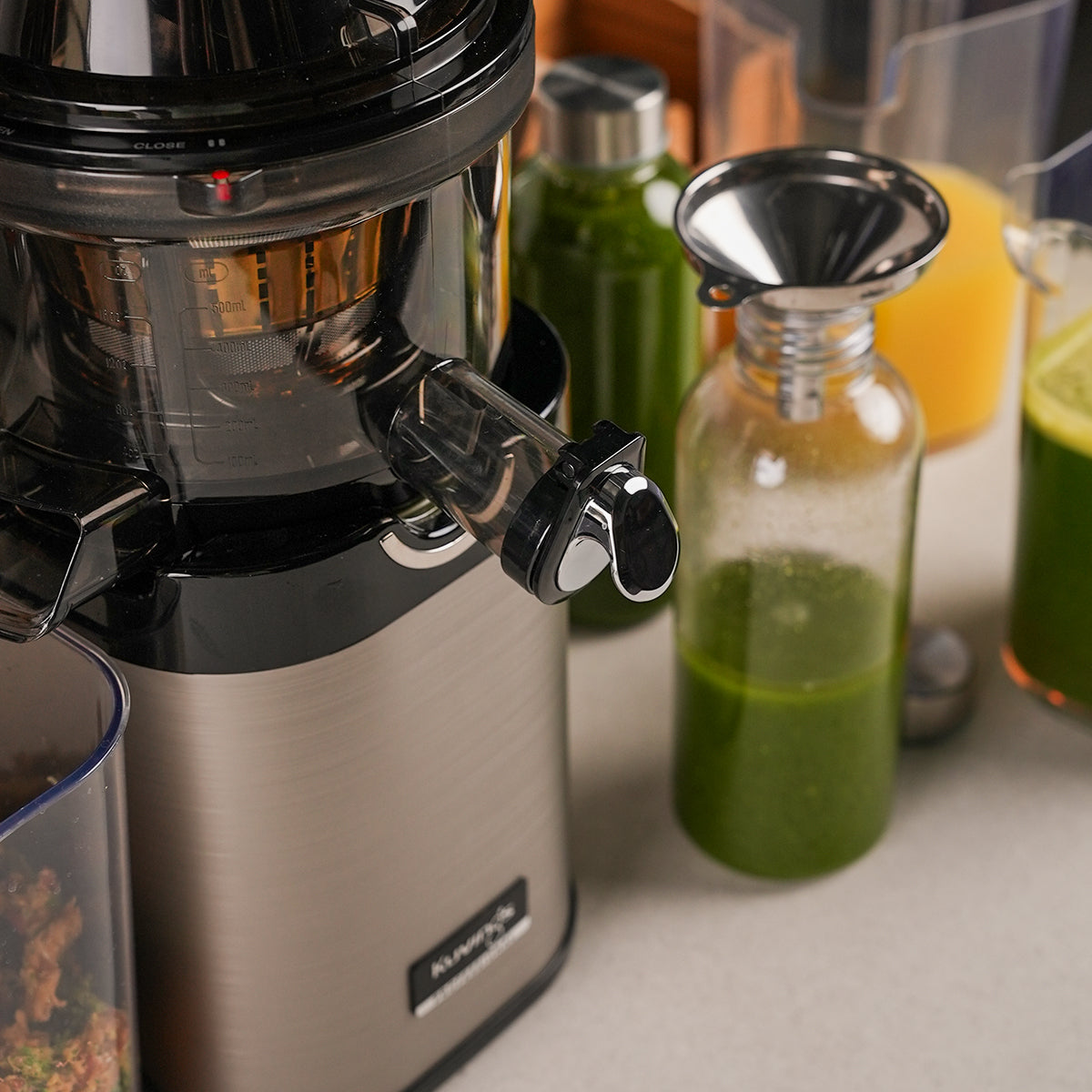
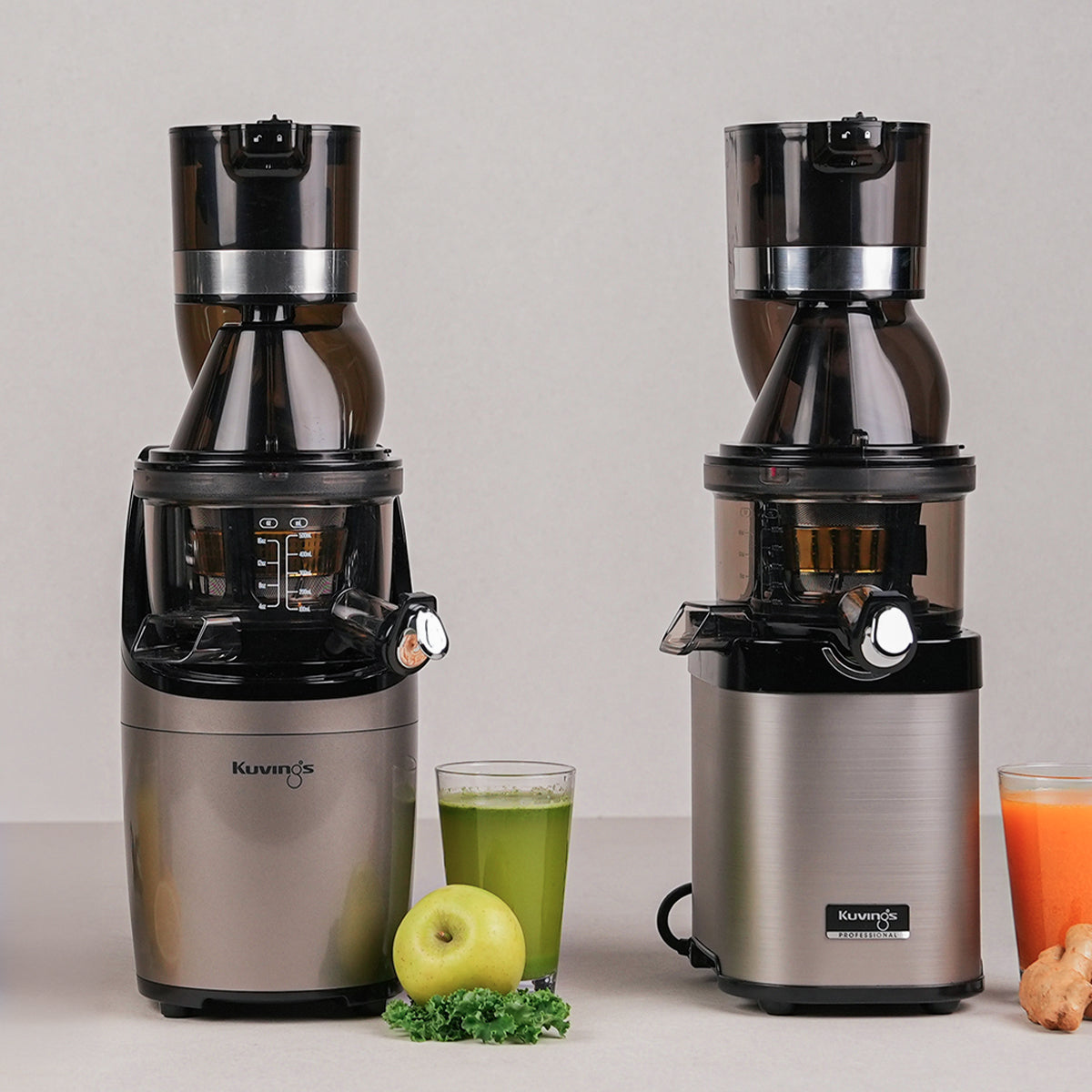
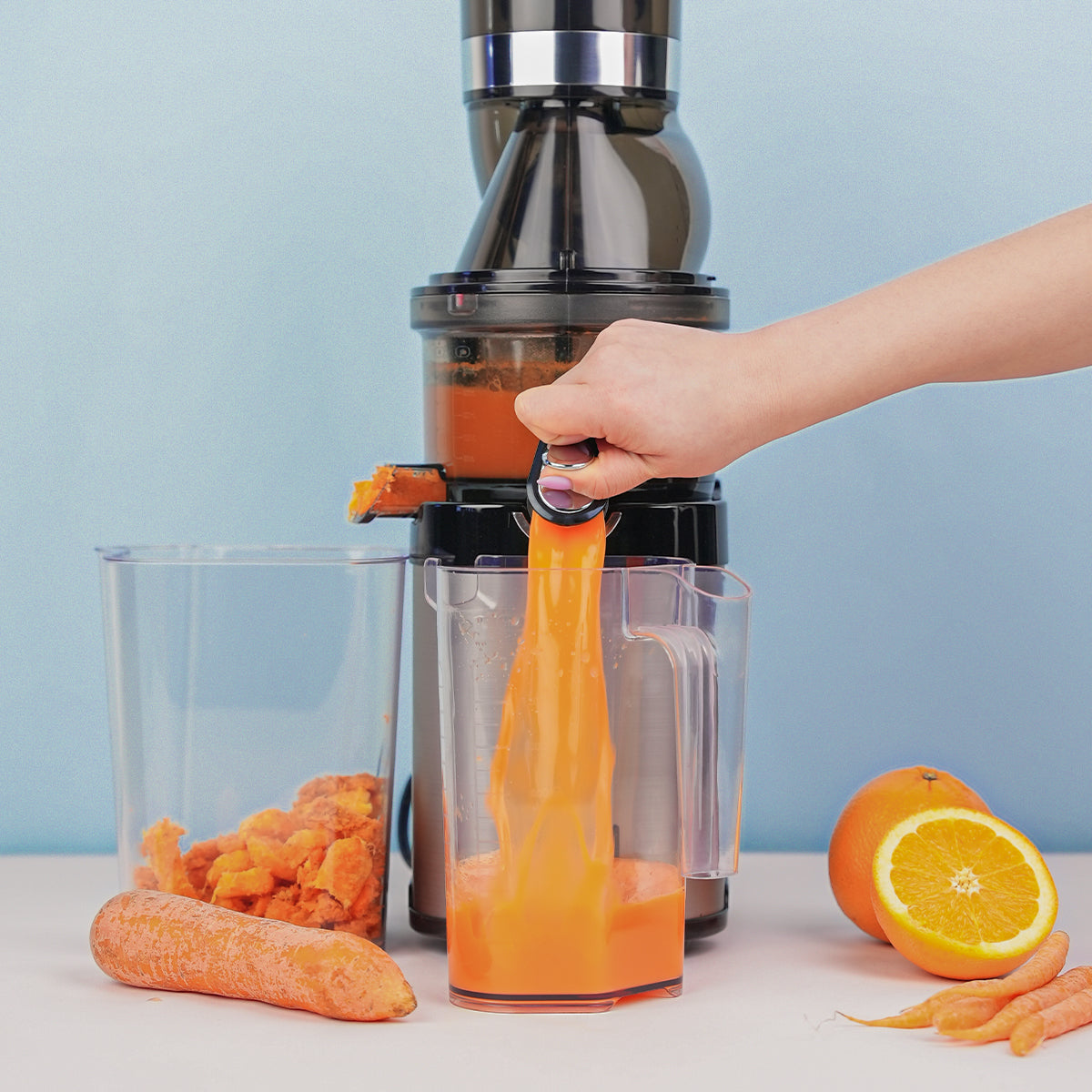
A cold-press juicer crushes and presses ingredients at a low speed before separating the liquid from the pulp. One practical advantage is that it can process a variety of vegetables, fruits, and ingredients such as ginger and turmeric.
However, the term “cold-pressed” does not turn a beverage into a detox drink, nor does it automatically make the drink healthy. More important questions include:
-
Which vegetables and fruits are used?
-
Is sugar, syrup, or honey added?
-
How much is consumed?
-
Is the juice replacing an entire meal?
-
Is the overall diet still providing enough fiber?
-
Is the juice prepared and stored hygienically?
A recipe that combines several sweet fruits may still contain a substantial amount of naturally occurring sugar, even when no sugar is added.
How Can You Include Juice in a More Balanced Diet?
Instead of aiming to “flush out toxins,” consider drinking juice as one way to add variety to your vegetable and fruit intake.
1. Make vegetables the main ingredients
Use cucumber, tomato, carrot, or celery as the base, then add a small amount of fruit to improve the flavor.
2. Do not add extra sugar
Avoid adding syrup, sugar, or honey because fruit already contains naturally occurring sugar.
3. Keep the serving size moderate
There is no need to drink a large bottle or several bottles a day, especially when the recipe is made primarily with sweet fruit.
4. Do not use juice to replace every meal
Meals should still provide suitable sources of protein, carbohydrates, fat, and fiber. Vegetable and fruit juice alone cannot provide complete nutrition.
5. Use the leftover pulp in cooking
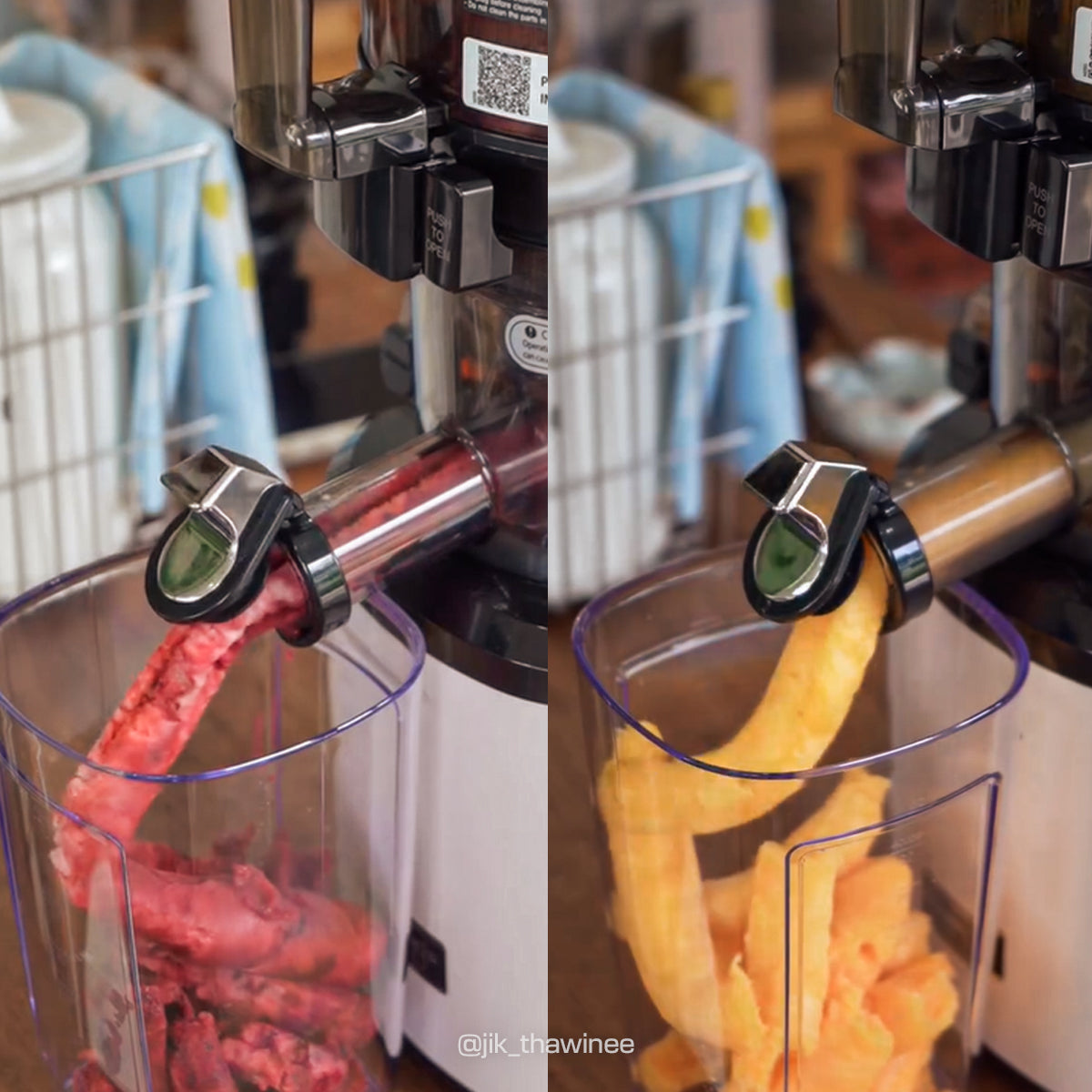
Carrot, apple, and vegetable pulp can be added to omelets, vegetable patties, soups, muffins, or baked crackers. This helps make better use of the ingredients and reduces kitchen waste.
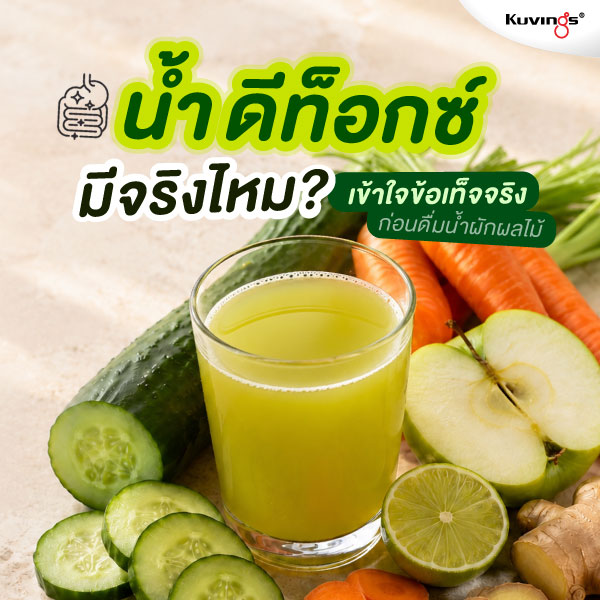
A Refreshing Cold-Pressed Vegetable and Fruit Juice Recipe
This is not presented as a “toxin-flushing” recipe. It is simply an unsweetened vegetable-forward juice with a small amount of fruit for flavor.
Ingredients
-
2 cucumbers
-
1 carrot
-
1/2 green apple
-
1/2 lime
-
5 grams fresh ginger
Method
-
Wash all the vegetables and fruit thoroughly under running water.
-
Cut the cucumbers, carrot, and apple into pieces that fit the juicer’s feeding chute.
-
Remove the apple core and seeds.
-
Peel the lime and remove the seeds.
-
Feed the ingredients into the cold-press juicer, alternating the ginger with pieces of cucumber.
-
Stir well and drink immediately after juicing.
To reduce the sweetness further, use less apple or add more cucumber.
What Safety Precautions Apply to Fresh Vegetable and Fruit Juice?
Fresh homemade juice is generally unpasteurized. Microorganisms present on raw vegetables or fruits may therefore enter the finished drink.
The U.S. Food and Drug Administration recommends washing hands, rinsing produce under running water, cutting away bruised or damaged areas, and washing ingredients before peeling or cutting them. The FDA does not recommend washing produce with soap or detergent (FDA).
Fresh juice is best consumed immediately. If it must be stored, place it in a clean container, close the lid tightly, refrigerate it at once, and drink it as soon as possible. Discard the juice if it develops an unusual smell, color, taste, or foam.
People who should take particular care with unpasteurized fresh juice include young children, pregnant women, older adults, and people with weakened immune systems.
Who Should Avoid Starting a Juice Cleanse Without Professional Guidance?
People with the following conditions or circumstances should consult a doctor or registered dietitian before consuming large amounts of juice or significantly restricting their food intake:
-
Diabetes or the use of glucose-lowering medication
-
Kidney disease or restrictions involving potassium or fluid intake
-
A history of kidney stones
-
Liver disease
-
Pregnancy or breastfeeding
-
Being underweight or malnourished
-
A history of disordered eating
-
Taking medication that may interact with herbs
-
Being a child, an older adult, or immunocompromised
Juices containing large amounts of leafy greens or beetroot may be relatively high in oxalates. People who are prone to kidney stones should not regularly consume concentrated amounts without guidance from a qualified healthcare professional.
Detox Juice Advertising Claims to Question
Be cautious when you encounter claims such as:
-
Removes all toxins within one to three days
-
Cleanses the liver or kidneys
-
Produces dramatic weight loss without lifestyle changes
-
Treats or prevents disease
-
Can replace medication
-
Guarantees the same result for everyone
-
Does not identify the toxin it supposedly removes
-
Requires fasting combined with laxatives or colon cleansing
If a product claims to treat disease or change how an organ functions, verify the information and consult a healthcare professional before making a decision.
Conclusion: Does Detox Juice Really Work?
Detox juice exists as a marketing term, but there is not enough reliable evidence to show that vegetable and fruit juices or juice-cleanse programs can remove toxins from the body of a generally healthy person.
Vegetable and fruit juice can still provide nutrients and be included in a balanced diet. Choose recipes that emphasize vegetables, contain no added sugar, are consumed in moderate portions, and do not replace every meal.
Instead of asking, “Can this juice flush out toxins?” a more useful set of questions might be: “What ingredients does it contain? How sweet is it? Is it prepared safely? And how does it fit into my overall diet?”
Sustainable health does not come from a single bottle. It comes from a varied diet, adequate rest, physical activity, and consistent health-supporting habits.
@kuvingsth


